World & How to Play
Duel Monsters, and how to play
Two duelists, 8000 Life Points each. Summon monsters, back them with Spells and Traps, and attack until the other duelist's Life Points hit 0. Here is the whole game on one page, then the world it comes from.
How to play
Bring their Life Points to 0
Both duelists start with 8000 Life Points. Attacks that get through and card effects take them away. The first to reach 0 loses.
They can't draw
A duelist who has to draw a card with no cards left in their Main Deck loses the duel.
A card says you win
A few cards win on their own. The most famous: hold all five pieces of Exodia the Forbidden One in your hand.
The kinds of card
Setting up
- Bring a deck. A Main Deck of 40 to 60 cards and an Extra Deck of up to 15, with no more than three copies of any card (fewer for cards on the Forbidden & Limited list).
- Shuffle and draw five. Both duelists start with 8000 Life Points.
- Pick who goes first. The first duelist does not draw on their first turn, and nobody can attack on the very first turn of the duel.
Your turn, in order
- 1
Draw
Draw one card.
- 2
Standby
Some cards ask for a cost or do something here.
- 3
Main 1
- Normal Summon or Set one monster a turn.
- Special Summon as many as your cards allow.
- Play Spells and Set Spells and Traps.
- 4
Battle
Each of your Attack Position monsters may attack once.
- 5
Main 2
The same as Main 1, if you did not Normal Summon yet.
- 6
End
“During the End Phase” effects happen. Discard down to six cards.
An attack, step by step
- Declare. Pick one of your Attack Position monsters and a monster on the other side, or attack directly if they have none.
- Respond. Either duelist may activate Quick-Play Spells, Traps or quick effects. They form a chain that resolves last first.
- Against Attack Position. The monster with the lower ATK is destroyed and its owner loses the difference in Life Points. A tie destroys both.
- Against Defense Position. If ATK beats DEF, the defender is destroyed but nobody loses Life Points. If DEF is higher, the attacker's owner loses the difference.
Words you will see
- Tribute Summon
- A Level 5 or 6 monster needs one monster sent to the Graveyard to Normal Summon it, Level 7 or higher needs two.
- Special Summon
- Any summon a card allows besides your one Normal Summon a turn, including every Extra Deck summon.
- Chain
- Effects activated in response to each other. The last one added resolves first.
- Flip
- Turning a face-down monster face up. Flip effects happen when that happens.
- Tuner
- A monster you need for a Synchro Summon.
- Overlay units
- The cards stacked under an Xyz Monster. It detaches them to use its effects.
- Link arrows
- The arrows around a Link Monster. Monsters from the Extra Deck can be summoned to zones they point at.
- Banish
- Remove a card from play. Banished cards are face up, out of the duel unless a card brings them back.
- Forbidden & Limited
- Konami's list of cards you may not use, or may use only one or two copies of, in tournaments. It changes several times a year.
The world of Yu-Gi-Oh!
The story
Yu-Gi-Oh! began as Kazuki Takahashi's manga in Weekly Shōnen Jump, which ran from 1996 to 2004. Yugi Mutō solves the ancient Millennium Puzzle and shares his body with the spirit of a pharaoh who lives for games.
Duel Monsters
One game in the manga, Duel Monsters (called Magic & Wizards at first), took over the story. It became the real card game, and every anime series since has been about it.
Yugi, Kaiba and Joey
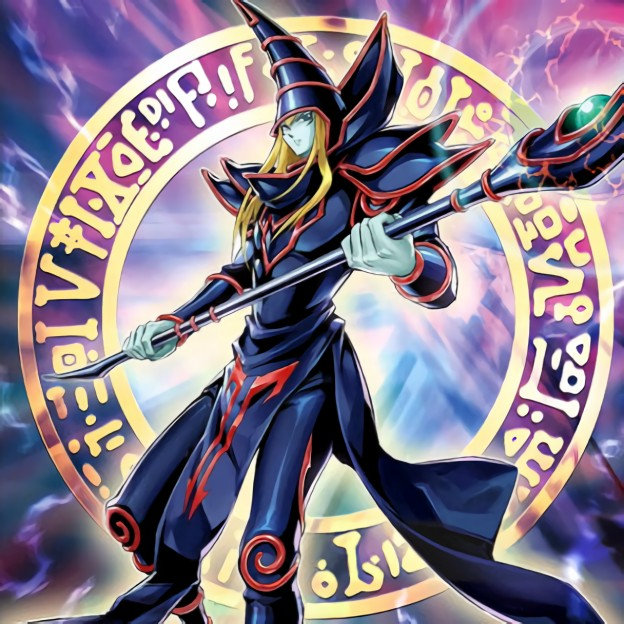
Yugi's Dark Magician, Seto Kaiba's Blue-Eyes White Dragon and Joey Wheeler's Red-Eyes Black Dragon came from the first story and are still being printed with new support today.
Ancient Egypt
The Millennium Items, the shadow games and the three Egyptian God cards, Obelisk, Slifer and Ra, come from the story's ancient Egyptian past.
A new series for each new summon
Each anime brought a new way to summon: Yu-Gi-Oh! GX with Fusion heroes, 5D's with Synchro Monsters and turbo duels, ZEXAL with Xyz, ARC-V with Pendulum, VRAINS with Link, then SEVENS, Go Rush!! and the rest.
Archetypes
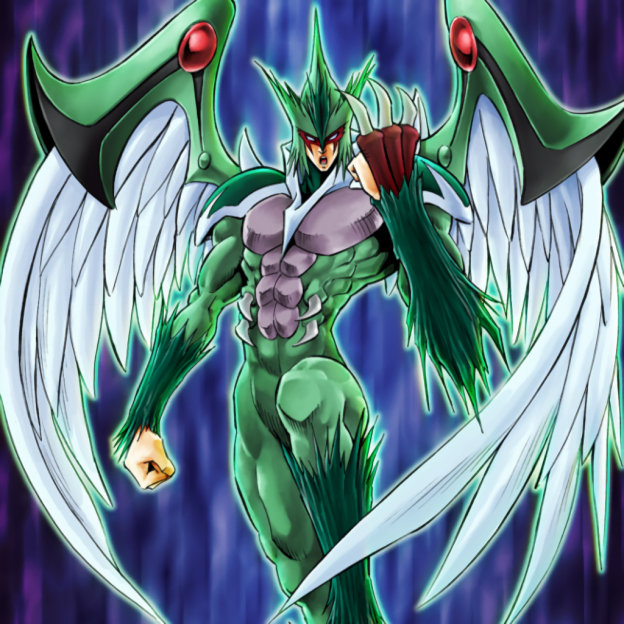
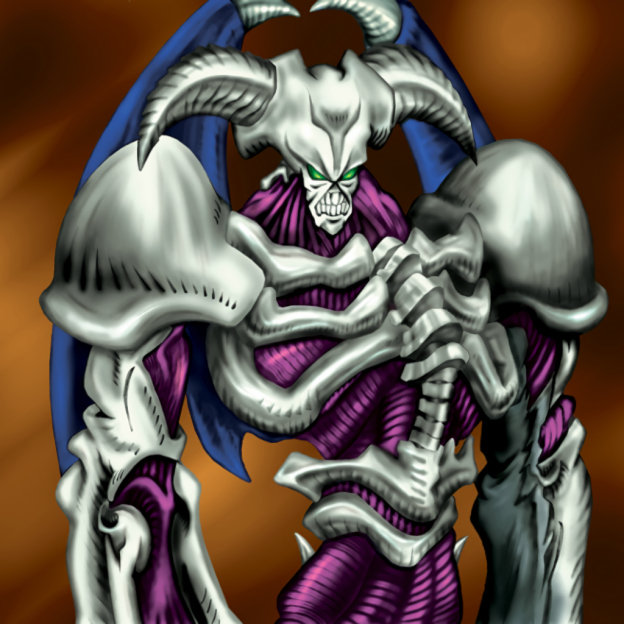
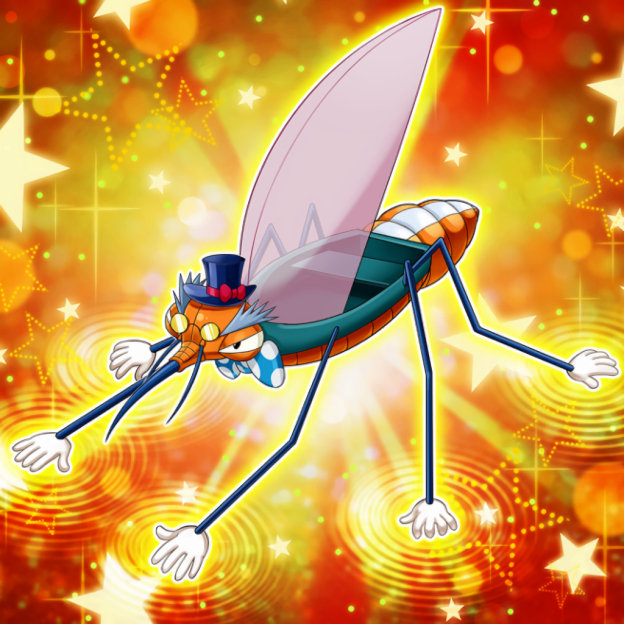
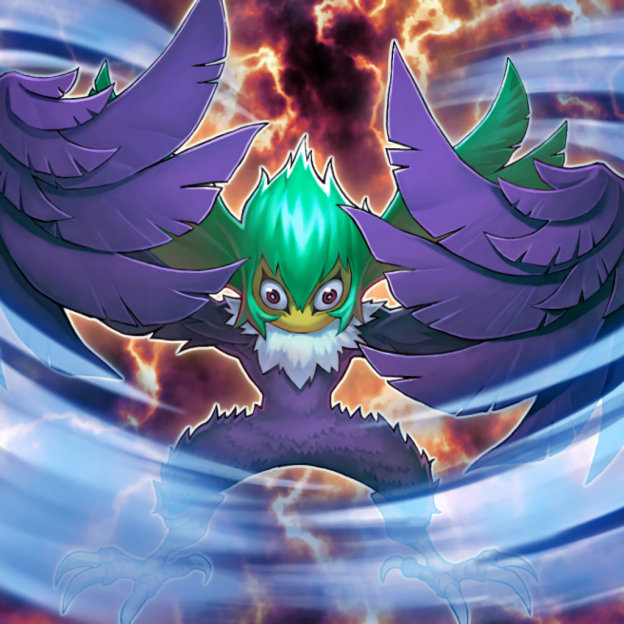
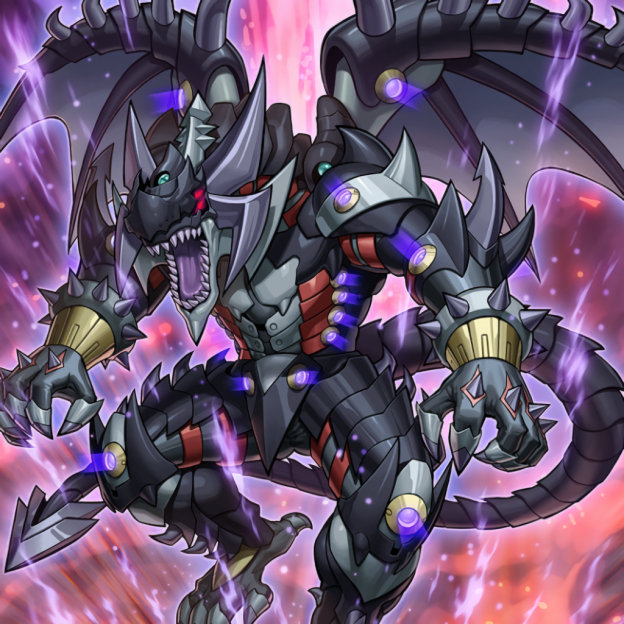
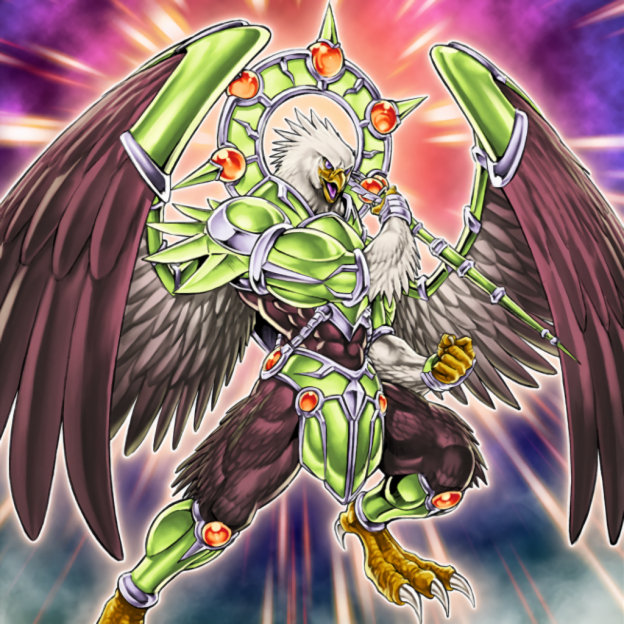
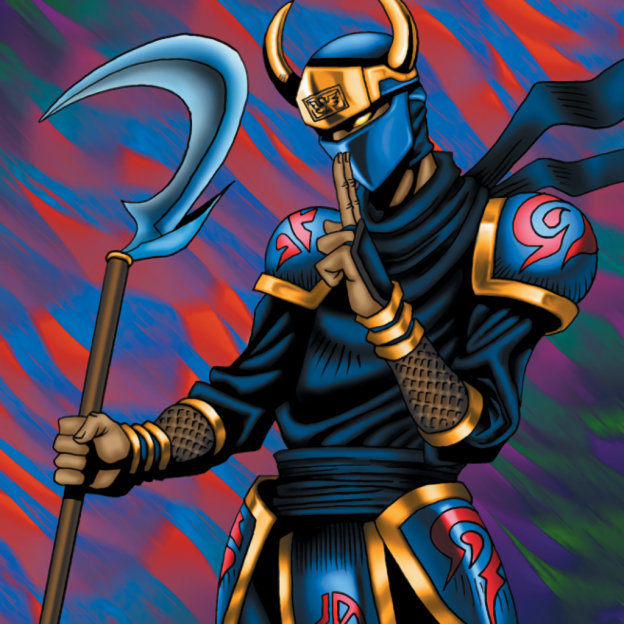
Most cards belong to an archetype: a family of cards that share a name and work together, such as Blue-Eyes, Elemental HERO or Sky Striker. This site's encyclopedia groups every card by its archetype.
The archetypes with the most cards
Sources for the rules and the world
- Yu-Gi-Oh! Trading Card Game — Wikipedia — Rules overview, deck sizes, phases, card types and summoning methods.
- Official rulebook (Konami, yugioh-card.com) — Setting up, Life Points, the turn, battles, chains and the field.
- Yu-Gi-Oh! — Wikipedia — The manga, its author, its story and the anime series.
- YGOPRODeck card database — Card types and archetypes used across this site.